


Did You Know, You Don’t Know How to Breathe?
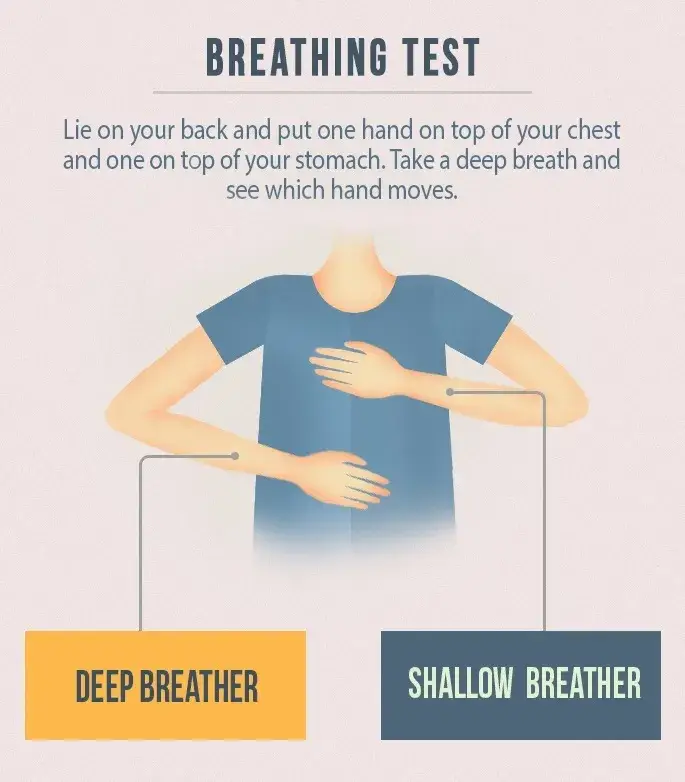
Breathing is the one function in the body that happens automatically—yet is rarely taught. Because we are born breathing, it is often taken for granted, assumed to be something we “just know.” And yet, how we breathe changes everything.
Breath sits at a unique crossroads between body and mind, structure and emotion. How you breathe shapes how you feel, how you move, and how your body organizes itself in space.
Why Breathing Matters
Every breath sends a message.
Shallow, rapid breathing signals urgency. Slow, steady breathing signals safety. But beyond the lungs, breath also moves through the connective tissue of the body, influencing posture, tension patterns, and how we experience internal support.
In modern life, many of us adapt our breathing to stress, speed, and constant stimulation. Over time, these patterns become familiar—even normal—despite being far from supportive.
No one teaches us how to breathe because it is assumed we already know. Yet much of what we call tension, fatigue, or overwhelm is often connected to how breath has adapted, not to something being “wrong.”
Breath, Fascia, and Emotions Are Closely Linked
Emotions do not exist only in the mind—they live in the body.
Fascia, the connective tissue that surrounds and links everything inside us, responds to pressure, rhythm, and breath.
When breath is restricted, certain areas of the body may feel dense, rigid, or disconnected. When breath becomes more fluid, the body often reorganizes with it.
This is why changes in breath are often accompanied by changes in emotional state, posture, and movement. Breath is not just air—it is information moving through the system.
Simple Breath Practices You Can Do Every Day
You don’t need complex techniques to begin working with your breath. Awareness comes first.
1. Noticing Without Correction
Simply observe how you breathe throughout the day—without trying to change it. This alone often reveals patterns we didn’t know were there.
2. Expanding Beyond the Chest
Invite the breath to move into the ribs, back, and sides of the body, rather than staying only in the chest. This supports a more even distribution of effort and tension.
3. Lengthening the Exhale Gently
Allow the exhale to become slightly longer than the inhale, without forcing. This often helps the body soften and settle.
These practices are not about “breathing better,” but about breathing with awareness.
Why This Still Matters
Most of us never learned how to breathe—we learned how to adapt.
Returning attention to the breath, gently and without force, can help restore a sense of connection, adaptability, and internal support. Breath is not separate from movement or structure; it is part of how the body organizes itself moment by moment.
Sometimes, the most meaningful changes begin with realizing that something taken for granted still holds room for learning.
✨ Did you know you could relearn how to breathe?
Add comment
Comments